Written by Steve Gorman (F5)
You likely know that NetApp StorageGRID supports deployments with multiple sites concurrently. If this is something that you take advantage of or plan to utilize, there are a few considerations to make. For example, optimized routing of S3 transactions and managing traffic across multiple high availability groups. A great way to do this is with F5 BIG-IP.
The F5 BIG-IP DNS solution formerly called BIG-IP GTM (Global Traffic Manager) and informally GSLB (Global Server Load Balancing) allows for seamless access across multiple active-active HA groups and active-active multi-site StorageGRID solutions to effectively be realized. Take one example, where the BIG-IP DNS appliances exist outside of two sample data centers, and BIG-IP LTM (Local Traffic Managers) are found within data centers equipped with StorageGRID clusters. The BIG-IP LTMs load balance traffic to and from StorageGRID Storage Nodes or HA group VIP’s to scale out total achievable S3 bandwidth.
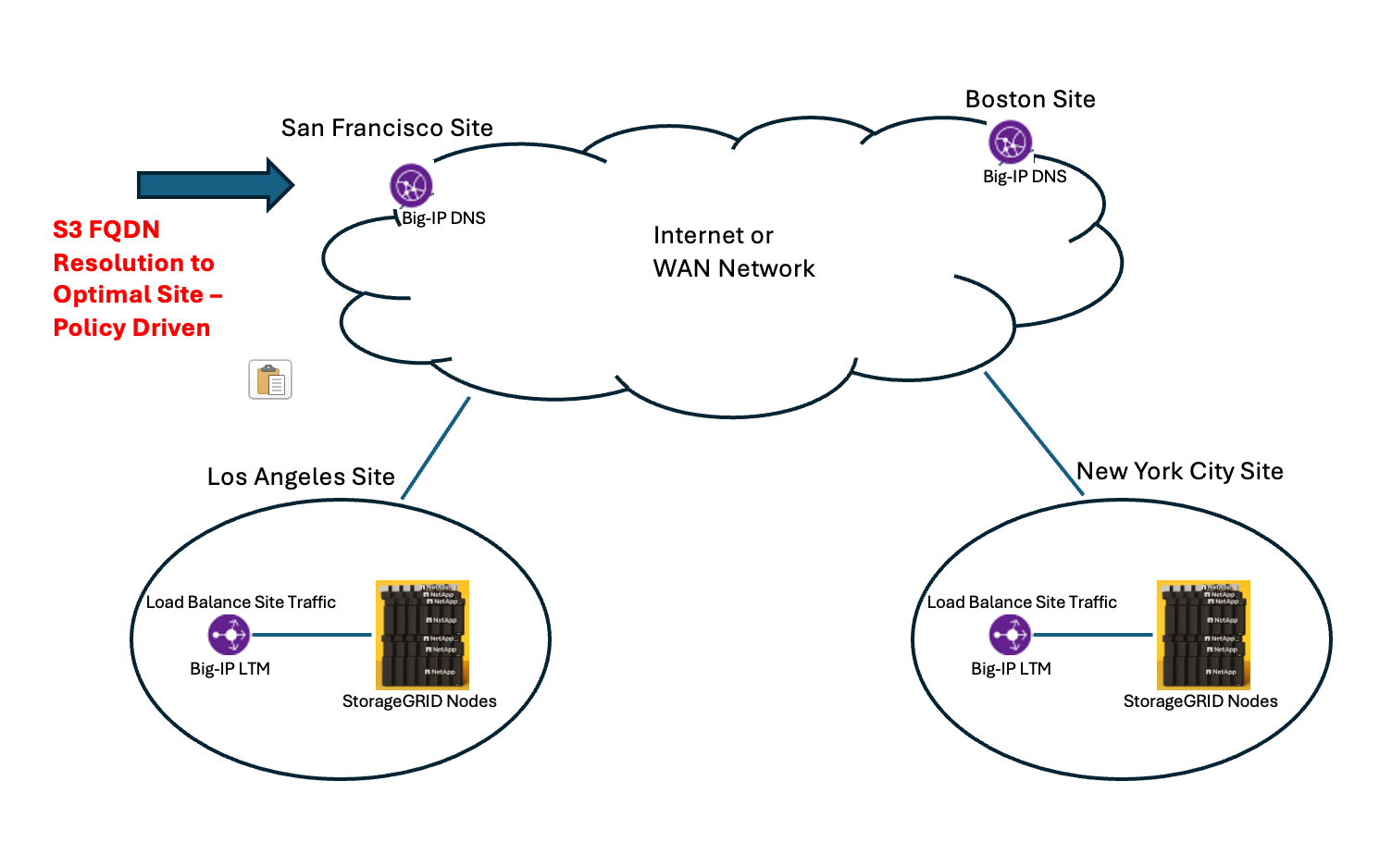
Figure 1 – Sample Deployment Scenario One (BIG-IP DNS and LTM Separated)
Another viable strategy is to run BIG-IP DNS and LTM on the same appliances, as both are license enabled and can co-exist. In large deployments of many sites, not all appliances require DNS licensed for the solution to operate. For conceptual and lab testing, the following is a more common depiction, although often BIG-IP DNS and LTM may be shown as separate appliances, even within each site.
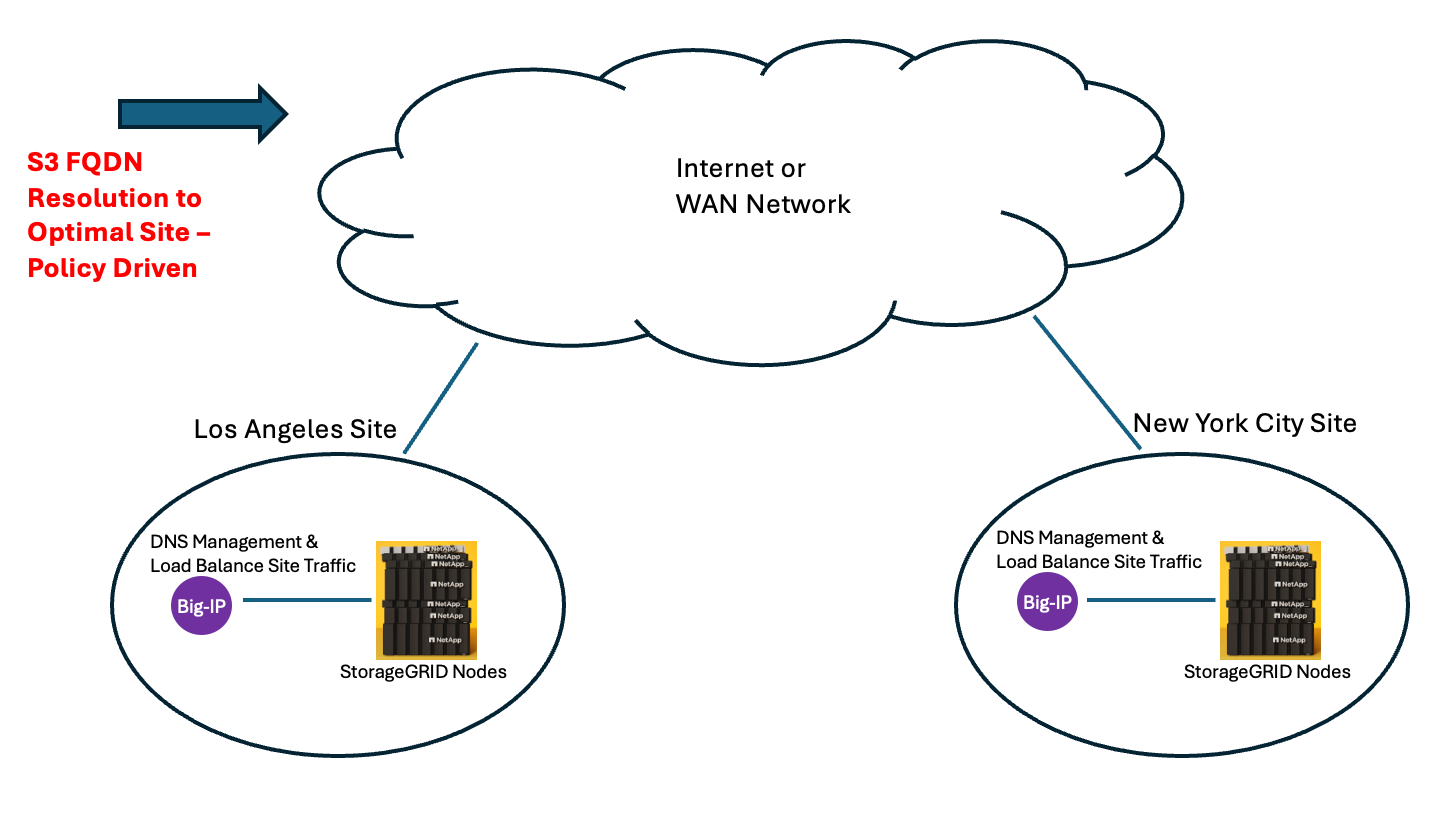
Figure 2 – Sample Deployment Scenario Two (BIG-IPs with both DNS and LTM Enabled)
The BIG-IP DNS solution has the tactical advantage over any other DNS approach: it can see real-time health measurements of every Storage Node or HA group VIP member at all sites. As such, should a viable number of nodes not be available, traffic requesting S3 target name resolution can immediately be directed to other sites. The DNS service offered by the BIG-IP solution can be delegated by an enterprise from a larger, existing domain, so as to non-intrusively be introduced.
Regardless of the number of StorageGRID sites to be supported, a minimum of two BIG-IP appliances, physical or virtual, must have the BIG-IP DNS module enabled and setup. The more DNS appliances, the further the degree of redundancy an enterprise will benefit from.
The integration of F5 BIG-IP with NetApp StorageGRID addresses technical challenges related to data availability and consistency across multiple sites and optimizing S3 transaction routing. Deploying this solution enhances storage resilience, performance, and reliability, making it ideal for enterprises seeking a robust, scalable, and flexible storage infrastructure.
To see how to actually configure an example solution, check out this guide on our StorageGRID enablement site
To learn more, the official F5 documentation for BIG-IP DNS can be found at this link.
A guided classroom style guide which provides step-by-step instructions on an example setup can also be found here.
